












What Is Hybrid Training?
Hybrid training combines two traditionally separate areas of fitness:
Strength training + endurance training
A conventional strength programme might focus heavily on squats, deadlifts, presses and resistance exercises.
An endurance programme might concentrate primarily on running, cycling, rowing or other cardiovascular activities.
Hybrid training combines these disciplines.
A typical hybrid workout could look something like:
Running → Sled Push → Rowing → Strength Exercise → Ski Trainer → Loaded Carry → Running
This challenges both your cardiovascular system and muscular strength.
Rather than asking whether you're a strength athlete or an endurance athlete, hybrid training develops your ability to do both.
Why Has Hybrid Training Become So Popular?
One major attraction is variety.
Hybrid training can incorporate:
* Running
* Rowing
* Ski training
* Sled pushes and pulls
* Weight training
* Kettlebells
* Dumbbells
* Wall balls
* Sandbags
* Loaded carries
* Functional exercises
That makes training highly adaptable.
It can be used for general fitness, sports conditioning, fitness-race preparation or simply by people who want to become stronger without sacrificing cardiovascular fitness.
Fitness racing has also helped push hybrid training into the mainstream.
Hybrid Training and HYROX®
HYROX® is a fitness competition that combines running with functional workout stations.
Because competitors need both cardiovascular endurance and strength, many of the principles used in hybrid training are relevant when preparing for this type of event.
Training may therefore incorporate equipment such as:
* Ski trainers
* Sleds
* Rowing machines
* Wall balls
* Kettlebells
* Dumbbells
* Sandbags
* Strength equipment
Hybrid training, however, is much broader than any individual competition.
You don't need to enter a fitness race to benefit from combining strength and endurance training.
For many people, becoming stronger while improving cardiovascular fitness is the goal in itself.
What Equipment Do You Need for Hybrid Training?
There isn't one compulsory equipment list.
Your setup should depend on your goals, available space and budget.
However, several pieces of equipment are particularly useful.
1. Sleds
Sled training is excellent for developing lower-body strength, power and conditioning.
A weighted sled can be used for:
* Sled pushes
* Sled pulls
* Sprint resistance
* Conditioning intervals
* Lower-body strength work
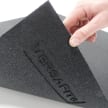
A suitable turf lane can turn a relatively simple piece of equipment into one of the most versatile conditioning stations in a gym.
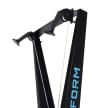
2. Ski Trainers
A ski trainer provides demanding full-body cardiovascular exercise with a strong emphasis on the upper body and core.
It works particularly well for interval training because intensity can be changed almost instantly.
Ski trainers can be incorporated into circuits alongside strength exercises, running, rowing or sled work.
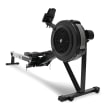
3. Rowing Machines
Rowing is another excellent hybrid training exercise because it combines cardiovascular conditioning with substantial muscular involvement.
Each stroke requires coordinated leg drive, core stability and upper-body pulling.
Rowers can be used for:
* Short high-intensity intervals
* Longer endurance sessions
* Fitness circuits
* Race preparation
* Warm-ups and conditioning
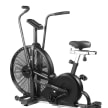
4. Air Bikes
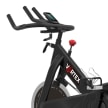
An air bike is particularly effective when the objective is high-intensity conditioning.
Resistance increases according to how hard you work, allowing an air bike to accommodate a wide range of fitness levels.
They're particularly useful for interval sessions and circuits where you want to move quickly between cardiovascular and strength exercises.
Strength Equipment for Hybrid Training
Hybrid athletes shouldn't overlook traditional strength training.
Strength provides the foundation for movements such as sled pushes, loaded carries, lunges and many other demanding exercises.
Useful strength equipment includes:
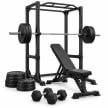
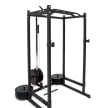
* Power racks
* Squat racks
* Olympic barbells
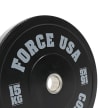
* Bumper plates
* Weight benches
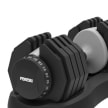
* Dumbbells
* Kettlebells
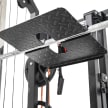
* All-in-One Trainers
Compound movements such as squats, deadlifts, presses and rows can all form part of a hybrid strength programme.
The difference is that strength is being developed alongside endurance rather than in isolation.
Kettlebells, Dumbbells and Free Weights
Free weights are particularly valuable because of their versatility.
A relatively small training area equipped with dumbbells and kettlebells can accommodate hundreds of different exercises.
These include:
* Walking lunges
* Farmer's carries
* Goblet squats
* Overhead presses
* Deadlifts
* Thrusters
* Step-ups
Loaded carries are especially useful in hybrid training because they challenge strength, grip and cardiovascular conditioning simultaneously.
Wall Balls, Medicine Balls and Sandbags
Functional equipment allows you to introduce movements that aren't always possible with conventional gym machines.
Wall balls can combine squatting and throwing into a continuous conditioning exercise.
Medicine balls can be used for rotational work, throws and dynamic exercises.
Sandbags introduce an unstable load that challenges strength and control differently from a barbell or dumbbell.
These relatively simple pieces of equipment can add considerable variety to a hybrid training programme.
Building a Hybrid Training Gym at Home
You don't need a full commercial gym to start hybrid training.
A home setup can be developed gradually.
A good starting point could include:
* Adjustable bench
* Dumbbells
* Kettlebells
* Barbell and weight plates
* Cardio machine
From there, the gym can be expanded with equipment such as a rower, ski trainer, functional trainer or power rack.
If sufficient space is available, a sled and turf lane can take the setup significantly further.
The important thing is to create a training space that allows you to alternate between strength and cardiovascular work.
Building a Commercial Hybrid Training Area
Hybrid training also creates an interesting opportunity for commercial gyms.
Instead of separating every type of exercise into completely different areas, a dedicated hybrid zone can bring several disciplines together.
A commercial hybrid training area could include four key zones.
Cardio & Endurance
Ski trainers, rowing machines, air bikes and treadmills.
Strength
Power racks, barbells, bumper plates, benches, dumbbells and kettlebells.
Functional & Conditioning
Sleds, wall balls, medicine balls, sandbags, plyometric boxes and functional rigs.
Sled & Movement Area
A dedicated artificial turf lane provides space for sled pushes, pulls, loaded carries and other functional exercises.
The result is a highly versatile training environment capable of accommodating individual workouts, personal training and group conditioning sessions.
What Flooring Is Best for Hybrid Training?
Flooring becomes particularly important when combining several training styles.
Commercial rubber gym flooring is generally well suited to strength and free-weight areas because it provides a durable training surface and helps protect the underlying floor.
Facilities incorporating sled training may also benefit from an artificial turf lane designed for functional exercise.
Using the two together allows a facility to create clearly defined strength and conditioning areas.
Is Hybrid Training Only for Competitive Athletes?
No.
While fitness racing has increased interest in hybrid training, you don't need to be preparing for a competition.
Hybrid training can be adapted to different abilities and objectives.
For some people, that might mean combining three weekly strength workouts with running.
For others, it might involve structured conditioning circuits using a rower, ski trainer, sled and weights.
The underlying principle remains the same:
Develop strength without neglecting endurance, and develop endurance without neglecting strength.
Build Your Hybrid Training Setup
Whether you're preparing for a fitness race, improving your general fitness or creating a new training area in a commercial facility, the right combination of equipment can create an extremely versatile training environment.
Fitness Network supplies hybrid training equipment throughout South Africa, including strength, cardio and functional training equipment from leading fitness brands.
Explore our complete Hybrid Training Equipmentrange or speak to the Fitness Network team about designing a home, studio or commercial hybrid training facility.
SHOP HYBRID TRAINING EQUIPMENT →
Frequently Asked Questions
What is hybrid training?
Hybrid training combines strength and resistance exercise with cardiovascular and endurance training. The objective is to develop multiple areas of fitness rather than specialising exclusively in either strength or endurance.
What equipment is best for hybrid training?
Popular hybrid training equipment includes rowing machines, ski trainers, sleds, air bikes, dumbbells, kettlebells, barbells, bumper plates, wall balls and sandbags.
Can hybrid training help with HYROX® preparation?
Hybrid training combines strength and endurance, both of which are relevant to HYROX® competition. Anyone preparing for a specific event should also follow the current official competition format and requirements.
Can beginners do hybrid training?
Yes. Training volume, resistance and intensity can all be adjusted according to fitness level. Beginners can start with basic strength exercises and manageable cardiovascular sessions before gradually increasing intensity.
Can I build a hybrid training gym at home?
Yes. A home setup can begin with free weights, a bench and cardio equipment and expand over time with a rower, ski trainer, power rack, functional trainer or other conditioning equipment.
Is hybrid training the same as CrossFit?
They can share some exercises and equipment, but they aren't the same thing. Hybrid training broadly refers to combining strength and endurance development, while CrossFit® is a branded training methodology and competitive sport.
HYROX® is a registered trademark of HYROX World GmbH. Fitness Network is not affiliated with, endorsed by or sponsored by HYROX.