













Why Is Gym Flooring Important?
Heavy gym equipment places significant loads on the floor beneath it.
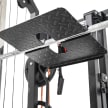
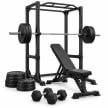
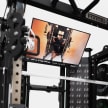
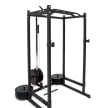
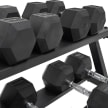
Power racks, All-In-One Trainers, Smith machines, dumbbell racks and commercial strength machines can remain in the same position for years. Free-weight areas also have to cope with repeated impact from dumbbells, kettlebells and weight plates.
Quality rubber gym flooring creates a protective layer between your equipment and the underlying surface.
The main benefits include:
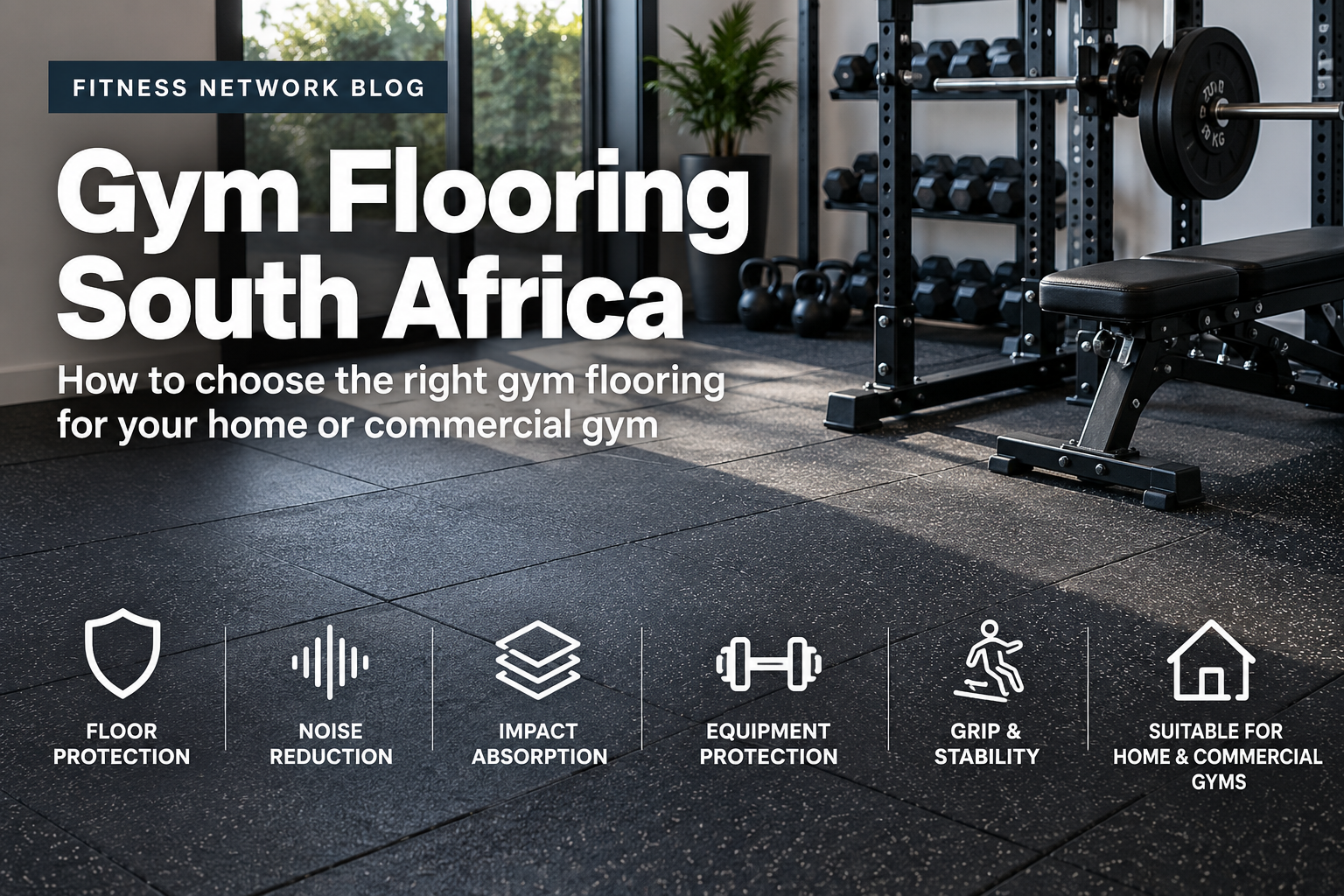
Floor protection, Impact absorption, Reduced noise and vibration, Increased equipment stability, Better grip, underfoot, A professional gym appearance and Protection beneath heavy strength and cardio equipment.
For this reason, flooring should ideally be considered before your gym equipment is installed, rather than afterwards.
What Is the Best Flooring for a Gym?
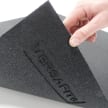
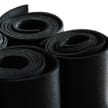
For most strength-training environments, rubber gym flooring is one of the most practical choices.
Rubber is durable, impact resistant and well suited to areas containing heavy fitness equipment.
It can be used beneath:
Rubber flooring is therefore suitable for everything from a compact garage gym to a large commercial fitness facility.
How Thick Should Gym Flooring Be?
The correct thickness depends largely on how the area will be used.
Light training and cardio areas generally experience less impact than dedicated free-weight and strength-training zones.
For areas containing substantial gym equipment and regular weight training, 15mm rubber gym flooring provides a strong balance between floor protection, durability and practicality.
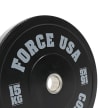
Fitness Network's 1m × 1m × 15mm commercial rubber gym flooring tiles are designed for both home and commercial training environments.
Because each tile covers approximately one square metre, planning the installation is also straightforward.
How Much Gym Flooring Do I Need?
Start by measuring the length and width of the area you want to cover.
Multiply the two measurements:
Length × Width = Floor Area in Square Metres
For example:
| Gym Size | Floor Area | Approximate 1m × 1m Tiles |
| 2m × 2m | 4m² | 4 |
| 3m × 3m | 9m² | 9 |
| 4m × 3m | 12m² | 12 |
| 4m × 4m | 16m² | 16 |
| 5m × 4m | 20m² | 20 |
| 6m × 5m | 30m² | 30 |
Allow for the exact dimensions and layout of the room, particularly where tiles need to be cut around walls, columns or other fixed structures.
For larger commercial installations, Fitness Network can assist with calculating the flooring required.
Home Gym Flooring
A home gym doesn't necessarily require a large room.
Spare bedrooms, garages and dedicated training rooms can all become effective workout spaces, but the original flooring may not have been designed to support heavy fitness equipment.
Rubber flooring is particularly useful beneath equipment such as All-In-One Trainers, power racks, Smith machines and dumbbell areas.
It helps create a dedicated training surface while protecting the flooring underneath.
If you're building a home gym from scratch, consider the flooring at the same time as your home gym equipment. This makes equipment placement and installation considerably easier.
Garage Gym Flooring
Garages are popular locations for home gyms because they typically provide more space for strength equipment and free weights.
However, bare concrete can transmit considerable noise and provides little protection for equipment that comes into contact with the floor.
Rubber gym tiles can transform a garage into a more practical training environment while helping reduce impact and vibration.
They also visually separate the training area from the remainder of the garage.
Flooring becomes even more important in a commercial facility.
Commercial gyms experience considerably more foot traffic and equipment use than most home gyms.
Different areas may also have different flooring requirements.
A typical commercial facility might include:
Cardio Area
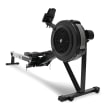
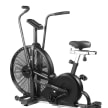
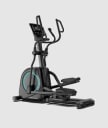
Treadmills, bikes, ellipticals and rowing machines.
Strength Area
Selectorised machines, benches and plate-loaded equipment.
Free-Weight Area
Dumbbells, barbells, racks and weight plates.
Functional or Hybrid Training Area
Kettlebells, sleds, functional trainers and conditioning equipment.
Planning these areas before installing equipment can improve both the appearance and functionality of the facility.
Fitness Network can assist with commercial gym planning, equipment selection, flooring and gym layout design.
Do You Need Rubber Flooring Under a Treadmill?
You don't always need to install rubber flooring across an entire room.
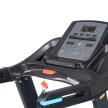
For an individual treadmill or cardio machine, a Treadmill Protective Floor mat can often be a practical alternative.
A treadmill mat creates a protective barrier between the machine and the floor while helping reduce vibration.
Equipment mats can also be useful beneath exercise bikes, rowing machines and other individual cardio machines.
Should Flooring Go Under an All-In-One Trainer or Power Rack?
Where possible, yes.
Large strength machines can be extremely heavy, particularly once weight stacks and plates are added.
Installing flooring before assembling an All-In-One Trainer, power rack or Smith machine means the equipment can sit directly on the protective surface.
Trying to install flooring beneath a large machine after assembly can be considerably more difficult.
This is particularly important when planning a new home gym.
Gym Flooring for Free Weights
Free-weight areas generally place greater demands on flooring because dumbbells, kettlebells and weight plates are repeatedly moved and placed on the floor.
A suitable rubber surface helps absorb some of this impact while protecting the underlying floor.
If you're creating a dedicated free weights area, flooring should be considered part of the equipment setup rather than an optional accessory.
Plan the Flooring Before the Equipment
One of the easiest mistakes to make when building a gym is choosing all the equipment first and thinking about flooring afterwards.
A better sequence is:
- Measure the available space.
- Decide how the gym will be used.
- Plan the equipment layout.
- Select the appropriate flooring.
- Install the flooring
- Install the gym equipment.
This is particularly valuable when installing large equipment that may remain in position for many years.
Building a Home or Commercial Gym?
Fitness Network supplies gym flooring and fitness equipment throughout South Africa for home and commercial training environments.
From a small home gym to a complete commercial facility, our team can assist with flooring, equipment selection and gym planning.
Explore our Gym Flooring range, view our 15mm Commercial Rubber Gym Flooring Tiles, or speak to Fitness Network about planning a complete gym.